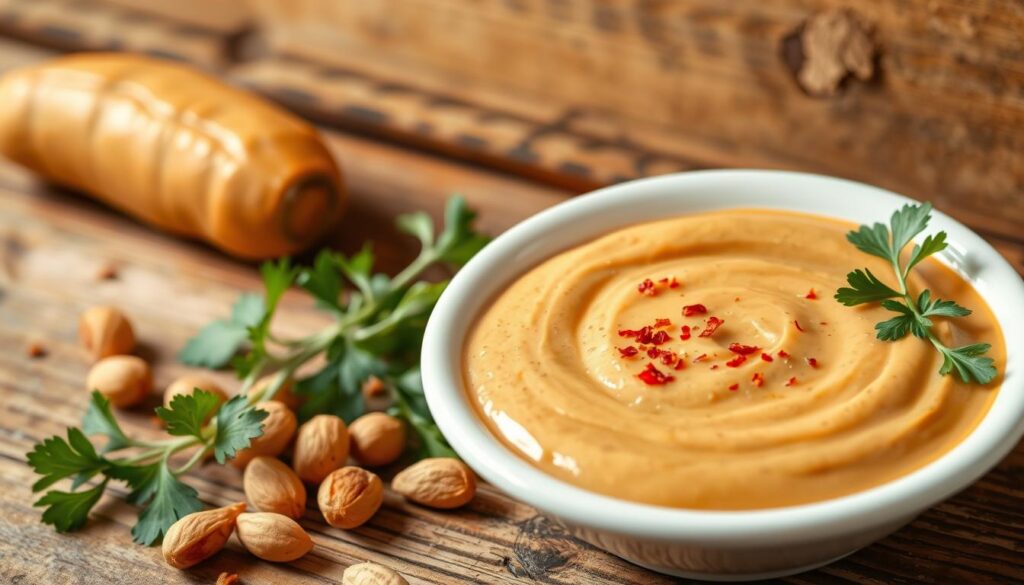
peanut sauce recipe The first time I made homemade peanut sauce, it changed my cooking forever. It started as a simple kitchen experiment. But it quickly became a key condiment that makes everything better.
Imagine making a sauce that’s great for dipping, drizzling, or marinating. You don’t need special tools. Just a bowl, whisk, or blender, and you’ll have a creamy, sweet, and spicy sauce.
This recipe is a culinary journey that’s easy yet fancy. It’s perfect for both new cooks and experienced chefs. You’ll love making this peanut sauce again and again.
Table of Contents
Key Takeaways
- Create a versatile sauce with minimal kitchen equipment
- Achieve a complex flavor profile with simple ingredients
- Perfect for multiple cooking styles and dishes
- Easy to customize with personal flavor preferences
- Quick preparation with impressive restaurant-quality results
Understanding Peanut Sauce: A Culinary Delight
Peanut sauce recipe is a versatile culinary treasure found in many cuisines. It blends the creamy taste of peanuts with a mix of seasonings. This creates a delightful condiment that excites your taste buds.
Origins and Uses of Peanut Sauce
The roots of peanut sauce recipe are in Southeast Asian cuisines, especially in Thailand and Vietnam. Chefs mix key ingredients to achieve a perfect balance:
- Peanut butter as the creamy base
- Soy sauce for a salty umami kick
- Honey or sugar for subtle sweetness
- Rice vinegar or lime juice for bright acidity
- Minced garlic and ginger for aromatic depth
Popular Dishes Featuring Peanut Sauce
Exploring dishes with peanut sauce recipe opens up a world of flavors. It’s used in both traditional and modern recipes. This sauce turns simple meals into unforgettable experiences.
| Dish Category | Peanut Sauce Application |
|---|---|
| Appetizers | Thai and Vietnamese summer rolls dipping sauce |
| Protein Dishes | Chicken or tofu satay skewer marinade |
| Salads | Cold noodle salads and Asian-inspired slaws |
| Modern Cuisine | Buddha bowls, zucchini noodles, lettuce wraps |
Peanut sauce is perfect for grilling, stir-frying, or quick meals. It adds a rich, complex flavor that elevates your cooking.
Essential Ingredients for a Great Peanut Sauce
Making the perfect peanut sauce recipe needs the right ingredients. They must blend well to create a bold flavor. Start by knowing the key parts that make a simple sauce into a masterpiece.
Types of Peanuts and Their Flavor Profiles
Choosing the right peanut butter is key. Use 1/2 cup natural peanut butter with just peanuts and salt. This gives a true, rich taste. Peanuts come in different types, each with its own flavor:
- Valencia peanuts: Sweet and light
- Virginia peanuts: Large, buttery texture
- Spanish peanuts: Robust, intense flavor
Key Seasonings to Enhance Your Sauce
Boost your sauce with the right seasonings. Mix 1/3 cup low sodium soy sauce, 2 tablespoons sesame oil, and 2 tablespoons rice vinegar for a good base. Add a fresh ginger knob and garlic clove for more depth.
Optional Ingredients for a Unique Twist
Try new things to make your sauce special. Add 2 tablespoons sambal oelek for spice or 2-3 tablespoons honey for sweetness. A bit of 1/4 cup water makes it smooth. Each addition makes your sauce unique.
Step-by-Step Guide to Making Peanut Sauce
Making peanut sauce recipe at home is simple. Just a few steps can turn any dish into a masterpiece in minutes.
Preparing Peanuts for Optimal Flavor
Start with room temperature peanut butter for the best results. Cold peanut butter can lead to lumps and blending issues. Let it sit at room temperature for 30 minutes or warm it in the microwave for 15-20 seconds.
Mixing Techniques for a Creamy Texture
You can blend your peanut sauce recipe in several ways:
- Blender method: Blend all sauce ingredients together in a small blender or food processor until smooth and creamy
- Stick blender technique: Add all ingredients into a wide mouth pint jar and blend using a stick blender directly in the container
- Whisk method: Manually blend ingredients in a small mixing bowl for a hands-on approach
Tips for Achieving the Right Consistency
The perfect peanut sauce consistency depends on how you plan to use it:
| Sauce Purpose | Consistency Tip |
|---|---|
| Dipping Sauce | Use less liquid, keep thicker |
| Drizzling | Add more water for pourable texture |
| Adjusting | Add water/peanut butter gradually, tasting between additions |
Pro tip: Peanut sauce recipe naturally thickens when refrigerated, so you might need to thin it with water before serving.
Variations of Peanut Sauce You Can Try
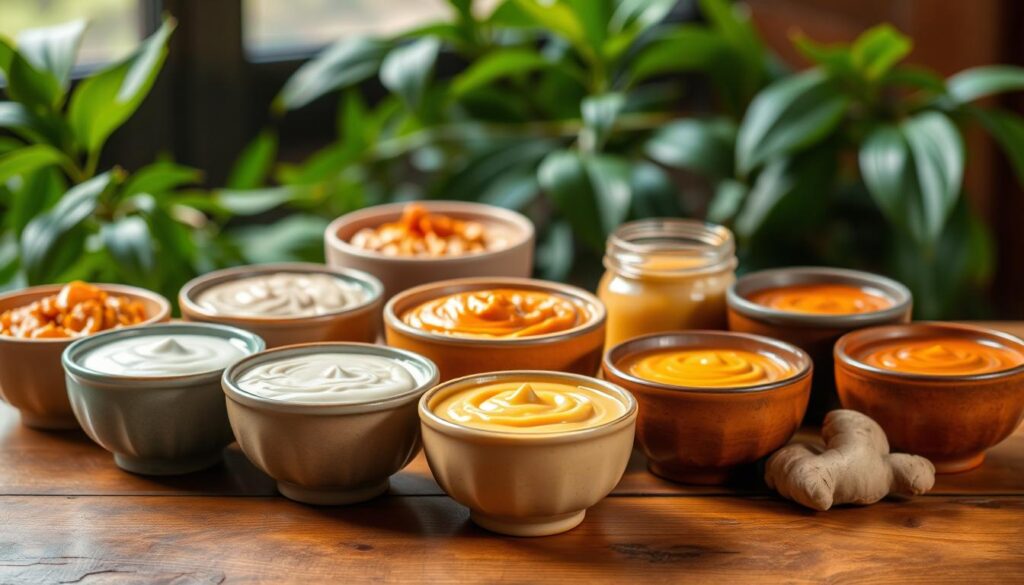
Exploring different peanut sauce recipe variations can transform your culinary experience. Each recipe brings unique flavors and textures. This can elevate your dishes from ordinary to extraordinary. Let’s dive into some delicious peanut sauce adaptations that will spark your creativity in the kitchen.
Spicy Peanut Sauce with Chili Paste
Kick up the heat by adding extra sriracha or a pinch of Thai chili powder to your base peanut sauce recipe. This spicy version works perfectly with grilled meats, vegetable stir-fries, and noodle dishes. To create the perfect balance, use 1 teaspoon of fish sauce instead of soy sauce for depth of flavor.
Sweet and Savory Peanut Sauce with Honey
Create a balanced sauce by incorporating honey or brown sugar as a sweetener. This variation brings a subtle sweetness that complements savory ingredients. Add the juice from a lime to brighten the overall flavor profile and create a more complex sauce.
Thai-style Peanut Sauce with Coconut Milk
For a creamier and richer texture, replace the water with canned coconut milk. This Thai-inspired version delivers an authentic and luxurious taste. The coconut milk adds a smooth, rich consistency that pairs wonderfully with:
- Grilled chicken skewers
- Vegetable spring rolls
- Noodle bowls
- Tofu dishes
The best part? This recipe is vegan with no adaptations needed, making it a versatile option for various dietary preferences.
Best Tips for Storing Peanut Sauce
Keeping your homemade peanut sauce recipe fresh is key. Knowing how to store it right lets you enjoy its flavor for a longer time.
How to Store in the Fridge
For the best taste, store your peanut sauce recipe in the fridge for about a week. Here’s how:
- Use a clean, airtight glass jar
- Store in the refrigerator’s main compartment
- Always use clean utensils when scooping
The sauce will thicken in the fridge. Before serving, let it sit at room temperature for 30 minutes. Or, microwave it in 15-second intervals to soften it. You might need to add a bit of water and whisk to get the right consistency.
Freezing Your Peanut Sauce for Later Use
FREEZABLE: Yes! Freezing your peanut sauce is easy and keeps it fresh for a long time. Here’s how to freeze it:
| Freezing Technique | Storage Duration |
|---|---|
| Ice cube trays (2 tbsp portions) | Up to 3 months |
| Freezer-safe containers | Up to 3 months |
| Zip-top bags (laid flat) | Up to 3 months |
Shelf Life and Signs of Spoilage
Look out for these signs of spoilage:
- Off or sour smell
- Visible mold growth
- Separation that doesn’t recombine
- Unusual color changes
Pro tip: Mark your storage container with the date you made it. This helps keep track of freshness and ensures food safety.
Dietary Considerations for Peanut Sauce
Making a tasty peanut sauce recipe for different diets is simpler than you think. It’s great for cooking for friends with special dietary needs or trying new ingredients. This guide will show you how to make a sauce that everyone can enjoy.
Gluten-Free Ingredients and Substitutions
GLUTEN FREE: Making your peanut sauce gluten-free is easy. Here are some key swaps to keep it tasty and safe:
- Use tamari instead of traditional soy sauce
- Opt for coconut aminos as a soy-free alternative
- Check labels for hidden gluten in condiments
Most peanut sauce recipe ingredients are naturally gluten-free. This includes peanut butter, rice vinegar, and fresh spices. Choosing the right ingredients ensures a safe, tasty sauce for those avoiding gluten.
Vegan Options for Peanut Sauce
VEGAN: No changes needed for a classic peanut sauce! It’s already vegan-friendly with plant-based ingredients:
- Peanut butter (plant-based protein)
- Maple syrup or agave instead of honey
- Soy sauce or tamari
- Fresh garlic and ginger
Pro tip: For Thai-style sauces, replace fish sauce with soy sauce or vegan alternatives.
Allergy-Friendly Recipe Alternatives
SUB FOR PB: You don’t have to give up flavor with food allergies. Try these smart swaps:
- Almond butter for a mild, creamy alternative
- Sunflower seed butter for nut-free option
- Coconut aminos to replace soy sauce
Always check ingredient labels and be mindful of cross-contamination when making allergy-friendly recipes.
Serving Suggestions for Peanut Sauce
Peanut sauce can turn simple meals into amazing dishes. It’s great with noodles, salads, and protein. It’s perfect for quick dinners or parties, making your food stand out.
Pairing with Fresh Vegetables
Drizzling peanut sauce on veggies makes them taste even better. Here are some tasty pairings:
- Spicy Sesame Zoodles with roasted broccoli
- Crispy Tofu with sautéed bok choy
- Quinoa Crunch Salad topped with grilled zucchini
Using Peanut Sauce as a Marinade
Marinating with peanut sauce changes your protein dishes. Marinate chicken, tofu, or shrimp for 1-2 hours. It keeps meats tender and adds a rich, nutty taste.
Creative Party Serving Ideas
Wow your guests with these unique ideas:
- DIY Firecracker Vegan Lettuce Wraps station
- Thai Summer Rolls with peanut dipping sauce
- Buddha bowl bar with multiple protein options
Peanut sauce brings excitement to any dish. Its creamy texture and deep flavor make it a hit at any event.
Troubleshooting Common Peanut Sauce Issues
Making the perfect peanut sauce can be tricky. But don’t worry, even experienced cooks face challenges. This guide will help you fix common problems and make your sauce amazing.
Solutions for Too Thick or Too Thin Sauce
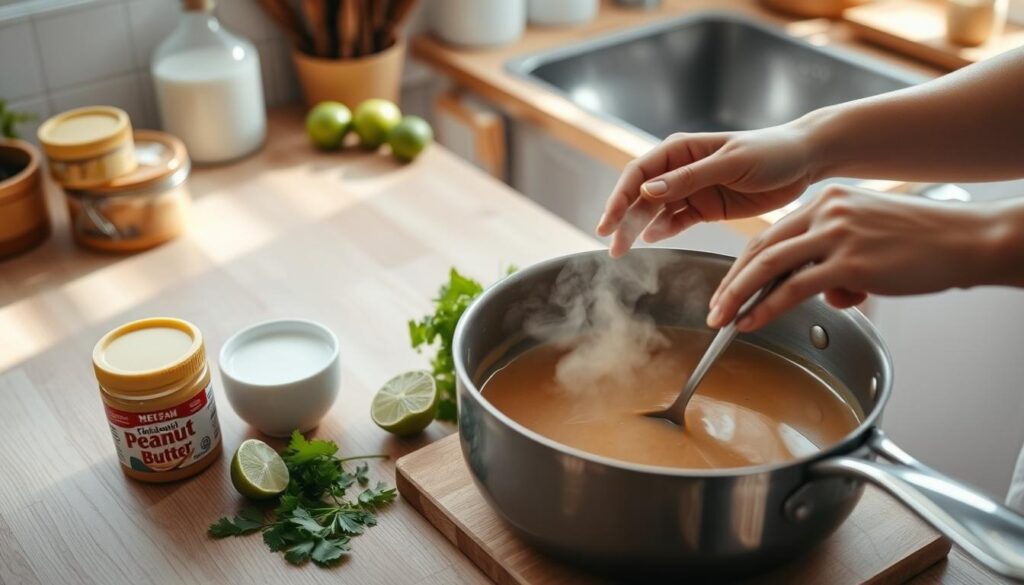
If your peanut sauce is too thick or too thin, don’t worry. Add splashes of liquid and whisk until it’s right. For a thick sauce, try these fixes:
- Add water one tablespoon at a time
- Incorporate rice vinegar for tang
- Use coconut milk for creaminess
For a thin sauce, thicken it by:
- Adding more peanut butter gradually
- Letting the sauce chill in the refrigerator
- Reducing soy sauce for a thicker consistency
Balancing Flavors: Sweet, Savory, and Spicy
Always taste as you go. Want more tang? Add vinegar. Need more sweetness or spice? Add maple syrup or Sriracha. Here are some tips:
- Too salty? Add honey or maple syrup
- Not salty enough? Incorporate soy sauce
- Need more heat? Sprinkle in red pepper flakes
Fixing Texture Problems in Peanut Sauce
A smooth, creamy texture is essential for great peanut sauce. For lumps or graininess, try these:
- Blend thoroughly in a food processor
- Ensure peanut butter is room temperature
- Strain through a fine-mesh sieve if needed
“The secret to perfect peanut sauce is patience and careful tasting.”
This amount is for a pourable sauce for noodles and stir-fries. For dipping, reduce soy sauce to 1/2 cup for a thicker sauce.
Inspiring Recipes Featuring Peanut Sauce
Peanut sauce makes any meal special. It’s perfect for a quick dinner or a big weekend meal. These recipes will make you a better cook and excite your taste buds.
With your own peanut sauce, you can make many tasty dishes. Try it with spicy sesame zoodles or firecracker vegan lettuce wraps. It turns simple ingredients into amazing meals that wow everyone.
Thai Noodles with Peanut Sauce
Make a tasty quinoa crunch salad with peanut sauce and noodles. Use rice noodles or try wheat lo mein or zucchini noodles for a low-carb option. Add chicken or tofu, then top with herbs and peanuts for a full meal.
Grilled Chicken Skewers with Peanut Dipping Sauce
Make your barbecue better with peanut sauce chicken skewers. Cut chicken into strips, thread them, and grill until they’re golden. The sauce adds a sweet touch that’s great with a peanut dipping sauce. Serve with cucumber salad for a hit at any gathering.
Buddha Bowls Topped with Peanut Sauce
Build a healthy Buddha bowl with quinoa, roasted veggies, and protein. Add peanut sauce for extra flavor. Use crispy tofu, sweet potatoes, and avocado to make it your own. This dish is always exciting.