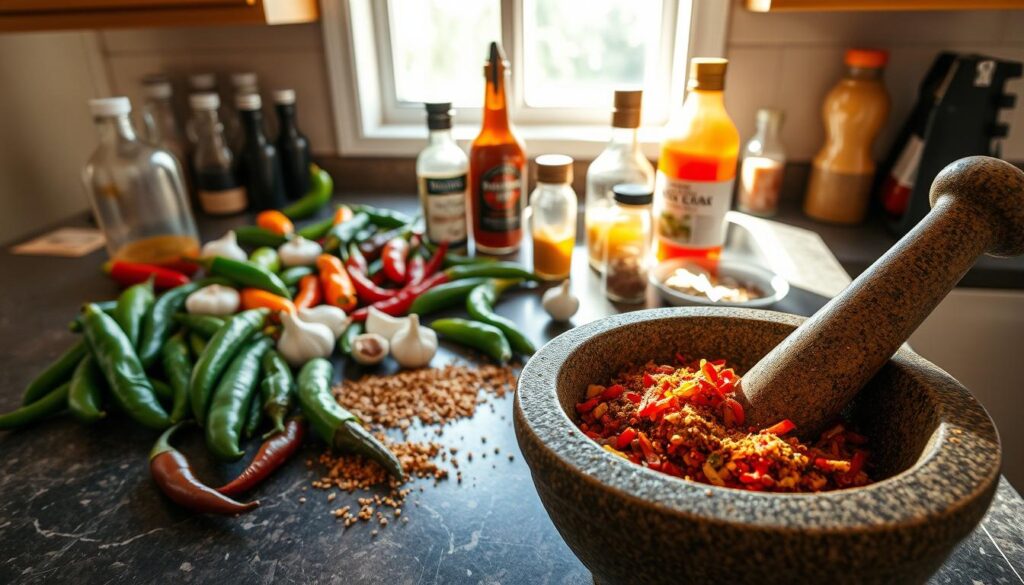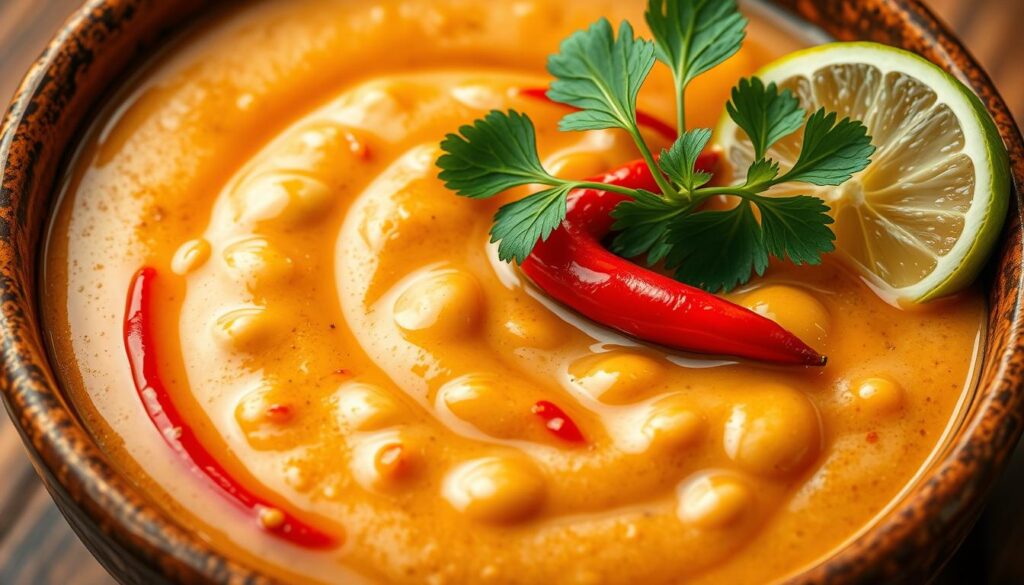
Every culinary adventure starts with a spark of curiosity. For me, that spark ignited in my tiny kitchen when I first discovered the magic of homemade fermented hot sauce. What began as an experimental weekend project quickly transformed into a passionate exploration of flavors, preservation techniques, and the incredible world of DIY condiments.
Crafting your own fermented hot sauce isn’t just about creating a spicy condiment. It’s about unlocking a centuries-old preservation method that transforms simple ingredients into a complex, probiotic-rich culinary treasure. Whether you’re a heat seeker or a flavor enthusiast, this guide will walk you through creating delicious homemade hot sauce that goes far beyond store-bought alternatives.
Imagine developing a condiment that not only tantalizes your taste buds but also supports your gut health. Fermented hot sauce does exactly that. By embracing this traditional technique, you’ll create a unique DIY hot sauce that’s bursting with depth, tanginess, and nutritional benefits.
Table of Contents
Key Takeaways
- Fermented hot sauce offers superior flavor complexity
- Homemade fermented condiments provide probiotic benefits
- Creating hot sauce is easier than you might expect
- You can customize heat levels to suit your preference
- Fermentation is a traditional preservation technique
What Makes Fermented Hot Sauce Different from Regular Hot Sauce
Explore the world of fermented hot sauce and see why it’s a game-changer. Unlike regular hot sauces, fermented hot sauce uses lacto-fermentation to spice up your meals.
The lacto-fermentation process turns regular peppers into a probiotic powerhouse. Here’s what makes it special:
- Uses salt water brine instead of vinegar
- Develops complex flavor profiles
- Introduces beneficial lactic acid bacteria
- Naturally preserves ingredients
The Lacto-Fermentation Process Explained
Creating fermented hot sauce involves lactic acid bacteria. These tiny helpers eat the sugars in peppers, making the flavor tangy and complex. The process takes one to two weeks, during which lactobacillus grows and changes your ingredients.
Probiotic Benefits of Fermented Hot Sauce
Your homemade probiotic hot sauce is not just tasty—it’s also good for you. The fermentation adds live cultures that help with digestion and nutrient absorption. Each spoonful brings beneficial bacteria that can balance your gut microbiome.
Flavor Profile Differences: Tangy vs Vinegary
| Characteristic | Fermented Hot Sauce | Vinegar-Based Hot Sauce |
|---|---|---|
| Flavor Complexity | Multi-layered, tangy | Sharp, one-dimensional |
| Probiotic Content | High | None |
| Preservation Method | Natural fermentation | Vinegar preservation |
“Fermentation is a culinary art that transforms simple ingredients into complex flavor experiences.” – Fermentation Expert
Knowing these differences can make your hot sauce game better. Try fermentation and discover a world of flavor and nutrition!
Essential Ingredients for Your First Batch
Making your own fermented hot sauce is easy. You just need a few basic ingredients. These simple items turn regular peppers into a lively, tangy sauce.
- Fresh peppers for hot sauce (approximately 1 pound)
- Iodine-free salt (sea salt or pickling salt)
- Filtered water
- Optional aromatics: garlic, onions, cilantro
Choosing the right peppers is key. Mix hot chili peppers with sweeter varieties for a good taste. Jalapenos, habaneros, or serrano peppers add heat. Bell peppers can make it milder.
Salt is very important for fermentation. Use sea salt or kosher salt, not iodized table salt. You need a 3% brine. This means dissolving 2.5 tablespoons of iodine-free salt in 4 cups of room temperature filtered water.
Pro tip: Use filtered water. Chlorine in tap water can harm the good bacteria needed for fermentation. These bacteria are what make your hot sauce tangy.
The beauty of fermented hot sauce is in its simplicity: just peppers, salt, and water can create a complex, flavor-packed condiment!
Choosing the Right Peppers for Your Heat Level
Creating the perfect fermented hot sauce starts with picking the right hot pepper varieties. Knowing about pepper heat levels can make your sauce go from bland to grand. This gives you control over how spicy and flavorful it is.
The type of pepper you choose will shape the character of your hot sauce. Different peppers have unique heat levels and flavors. These can greatly change your final product.
Melt-Your-Face-Off Hot Peppers
For those who love extreme heat, some peppers are off the charts. Habanero and cayenne peppers are so hot, they challenge even the most seasoned spice lovers.
- Carolina Reaper: World’s hottest pepper
- Ghost Pepper: Extreme heat level
- Habanero: Intense, fruity heat
- Scotch Bonnet: Caribbean-style burning sensation
Classic Hot Peppers for Balanced Heat
Jalapeño peppers and other mid-range chilies offer good heat without being too much. They’re great for making hot sauces that are balanced and complex.
| Pepper Variety | Heat Level (Scoville) | Flavor Profile |
|---|---|---|
| Cayenne | 30,000-50,000 | Sharp, slightly smoky |
| Serrano | 10,000-25,000 | Bright, grassy |
| Thai Chili | 50,000-100,000 | Intense, sharp |
Milder Options and Sweet Pepper Combinations
Not everyone can handle very hot peppers. Bell peppers and other mild varieties can balance your hot sauce. This makes it more approachable and nuanced.
- Anaheim: Very mild heat
- Jalapeño: Moderate heat
- Bell Peppers: No heat, sweet flavor
- Poblano: Mild, slightly earthy
“The art of hot sauce is finding the perfect balance between heat and flavor.” – Fermentation Expert
Pro tip: Try mixing hot and sweet peppers. Half hot chilies and half sweet peppers can make a sauce that pleases many. It’s a harmonious mix of heat and flavor.
Equipment You’ll Need for Fermentation
Starting your homemade fermented hot sauce journey needs the right tools. You’ll need specific equipment to make it a success. Get ready to explore the world of spicy flavors.
- Mason jars (pint or quart sizes)
- Fermentation crock for larger batches
- Airlock lids to prevent contamination
- Fermentation weights to keep ingredients submerged
- Glass weights for wide-mouth jars
- Cutting board and sharp knife
- Kitchen gloves
- Blender or food processor
Mason jars are great for small batches of hot sauce. They’re easy to find and won’t break the bank. For bigger batches, a fermentation crock is the way to go.
Airlock lids are key for keeping your hot sauce fresh. They let gases out but keep oxygen out, which can ruin your sauce. Use glass or ceramic weights to keep your peppers under the brine, stopping mold.
Pro tip: Look for all-in-one fermentation devices like Kraut Source that combine weights and airlocks for easier home fermentation.
Step-by-Step Guide to Making Fermented Hot Sauce
Making your own fermented hot sauce is a fun journey. It turns fresh peppers into a tangy, probiotic-rich condiment. This guide will show you how to ferment peppers, from start to finish.
Preparing Your Peppers and Vegetables
Getting your peppers ready is key for good fermentation. First, wash your peppers well and gather your ingredients. Here’s a simple guide:
- Wear protective gloves to prevent capsaicin burns
- Rinse peppers under cool water
- Remove stems and optional: remove seeds for milder sauce
- Chop peppers into uniform pieces
Creating the Salt Water Brine
A good salt brine recipe is essential for mash fermentation. You need a brine that’s salty enough to help beneficial bacteria grow:
- Use filtered water for best results
- Mix 2-3 tablespoons of sea salt per 4 cups of water
- Dissolve salt completely by gently heating water
- Cool brine to room temperature before use
Proper Fermentation Techniques and Timeline
Brine fermentation needs patience and careful watching. Your fermentation time will be between 7 to 14 days, depending on how spicy you like it:
- Pack peppers tightly in a clean glass jar
- Pour brine over peppers, ensuring complete coverage
- Use a weight to keep peppers submerged
- Cover with an airlock lid or loose lid
- Store at room temperature (60-75°F)
During fermentation, you’ll see bubbling and cloudy brine. These signs mean fermentation is happening. Taste your sauce often to see when it’s just right.
Understanding Fermentation Temperature and Time
Mastering fermentation temperature and time is key to making the perfect homemade hot sauce. Success depends on keeping the right conditions for healthy bacterial growth. This prevents unwanted issues.
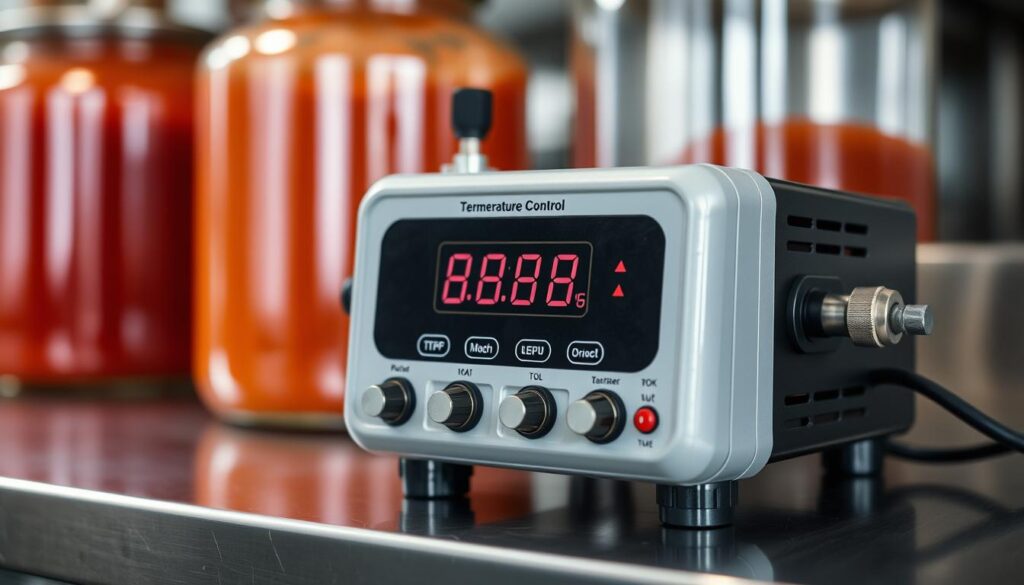
The best temperature for fermenting pepper-based hot sauces is between 68 to 73°F. This range is ideal for beneficial bacteria to grow well. If you go outside this range, you might face problems:
- Temperatures above 80°F increase the risk of kahm yeast
- Cooler temperatures below 65°F can slow bacterial growth
- Direct sunlight can negatively impact fermentation process
Fermentation time usually lasts 7-14 days, but some people go up to 2-8 weeks. Shorter fermentation periods produce milder flavors. Longer times create more complex, tangy tastes.
| Temperature Range | Fermentation Outcome |
|---|---|
| 68-73°F | Optimal Conditions |
| 80-85°F | Risk of Kahm Yeast |
| Below 65°F | Slow Bacterial Growth |
For room temperature fermentation, pick a spot that’s stable and away from heat. Basements or cool kitchen areas are great for keeping a steady temperature and time.
Pro tip: Monitor your ferment daily and watch for subtle changes in color, bubbling, and aroma to ensure successful fermentation.
Blending and Bottling Your Finished Hot Sauce
After weeks of careful fermentation, you’re ready to turn your pepper mixture into a tasty homemade hot sauce. The final steps of bottling hot sauce need precision and creativity. This ensures the perfect flavor and consistency.
Straining and Flavor Adjustments
Strain your fermented peppers through a fine-mesh strainer, catching the precious brine. Move the solid peppers to a blender, adding a bit of reserved brine. Blending the peppers lets you control the hot sauce’s consistency exactly.
- Use a fine-mesh strainer to separate solids from liquid
- Retain the brine for adjusting sauce thickness
- Blend in small batches for smooth texture
Adding Vinegar, Spices, and Sweeteners
Flavor adjustments are key to making your unique hot sauce. Think about these additions to boost your sauce:
- Apple cider vinegar for tanginess
- Garlic powder for depth
- Honey or maple syrup for sweetness
- Fresh citrus juice for brightness
Pro tip: Add vinegar sparingly to preserve probiotic benefits.
Storage Methods and Shelf Life
Proper hot sauce storage keeps it fresh and flavorful. Use airtight glass bottles or mason jars for the best results. Refrigerated fermented hot sauce usually lasts up to a year.
Always shake your hot sauce before use – separation is natural and indicates a true fermented product!
Keep your homemade hot sauce in the fridge. Enjoy the results of your fermentation journey for months ahead.
Hot Pepper Safety Tips and Handling Guidelines
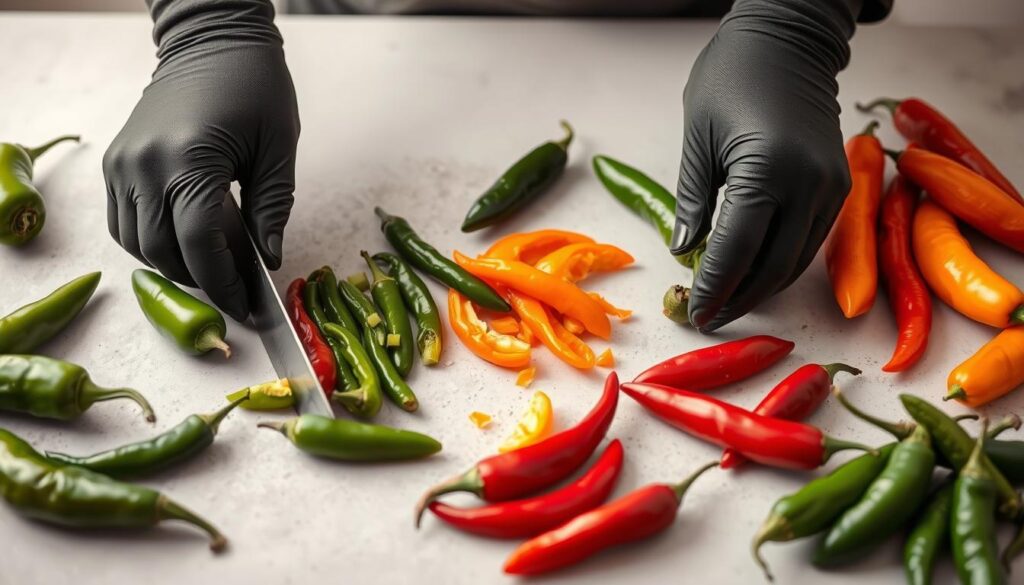
When you start making hot sauce, keeping safe around peppers is key. Capsaicin, what makes peppers hot, can burn if not handled right.
Handling hot peppers needs careful steps and protection. Here are important tips for staying safe in the kitchen:
- Wear disposable pepper gloves when preparing peppers
- Use nitrile or latex gloves for the best protection
- Double-gloving is a good idea for very hot peppers
- Work in a well-ventilated area
Protecting sensitive areas is part of your safety plan. Capsaicin safety means avoiding your eyes, face, and mucous membranes. Have a special towel for your gloves and a bowl of soapy water for cleaning.
If capsaicin gets on your skin, milk can help. Clean all cutting boards, knives, and surfaces well after handling hot peppers.
Remember: Prevention is always better than dealing with painful pepper burns!
By following these tips, you’ll have a safe and fun time making hot sauce.
Troubleshooting Common Fermentation Issues
Fermentation can be tricky, especially when making hot sauce. It’s important to know how to spot and fix problems. This way, you can make delicious, safe fermented condiments. Knowing the difference between harmless kahm yeast and dangerous mold is key.
Identifying Kahm Yeast vs Dangerous Mold
Mold identification is a critical skill in troubleshooting fermentation problems. Kahm yeast often appears as a white, thin film on top of your ferment. Unlike dangerous mold, kahm yeast:
- Looks like a white layer or sediment
- Is not fuzzy in texture
- Doesn’t produce different colors
- Fuzzy texture
- Colorful spots (green, black, pink)
- Distinct growth patterns
If you spot fuzzy mold, discard the entire batch to prevent potential health risks.
Preventing and Fixing Bitterness in Hot Sauce
Bitter hot sauce can ruin your fermentation efforts. Prevent bitterness by:
- Using fully ripe peppers
- Removing seeds and white membranes
- Carefully controlling fermentation temperature
| Cause of Bitterness | Solution |
|---|---|
| Unripe peppers | Wait for peppers to fully ripen |
| Seeds and membranes | Remove before fermenting |
| Cold fermentation | Maintain consistent warm temperature |
If your fermented hot sauce turns out bitter, you can gently heat it with a carrot to reduce bitterness. Keep in mind this process will eliminate beneficial probiotics developed during fermentation.
Creative Variations and Flavor Combinations
Exploring hot sauce variations opens up a world of culinary creativity. Your fermented hot sauce journey doesn’t have to stop with basic recipes. Crafting custom hot sauce allows you to experiment with unique flavor combinations. These combinations can transform ordinary condiments into extraordinary taste experiences.
- Vegetable Additions:
- Carrots for natural sweetness
- Tomatillos for bright citrus notes
- Roasted garlic for depth
- Fruit Infusions:
- Mango for tropical sweetness
- Pineapple for tangy brightness
- Peaches for subtle flavor
When developing creative hot sauce recipes, think about global flavor inspirations. An Asian-inspired sauce might include ginger and garlic. A Mexican-style version could incorporate cilantro and lime.
| Flavor Profile | Key Ingredients | Recommended Peppers |
|---|---|---|
| Tropical Heat | Mango, Pineapple | Habanero, Scotch Bonnet |
| Mediterranean Zest | Roasted Red Peppers, Oregano | Poblano, Anaheim |
| Smoky Southwest | Chipotle, Cumin | Jalapeño, Serrano |
Pro tip for unique hot sauce creation: Keep detailed notes on your experiments. Track pepper varieties, fermentation times, and additional ingredients. This approach helps you refine your signature sauce and replicate successful batches.
Remember, making custom hot sauce is about unleashing your culinary creativity. Don’t be afraid to mix unexpected ingredients and discover flavor combinations that surprise and delight your taste buds.
Conclusion
Making homemade fermented hot sauce turns simple ingredients into a special treat. It starts with easy steps and grows into a fun skill. Each batch is a new creation that shows off your taste and creativity.
Creating hot sauce at home is more than just making a condiment. It’s about learning flavors, trying new peppers, and making a sauce full of good bacteria. Your homemade hot sauce can be a go-to in your kitchen, great for eggs, marinades, or gifts.
Don’t worry about mistakes when making hot sauce. Fermentation is easy to learn and forgiving. As you try new peppers and flavors, you’ll get better and make even better hot sauces.
Your cooking journey is just starting. Meet other people who love making fermented foods, share your creations, and feel proud of what you make. Every jar of homemade hot sauce is a story of your creativity and delicious discoveries.