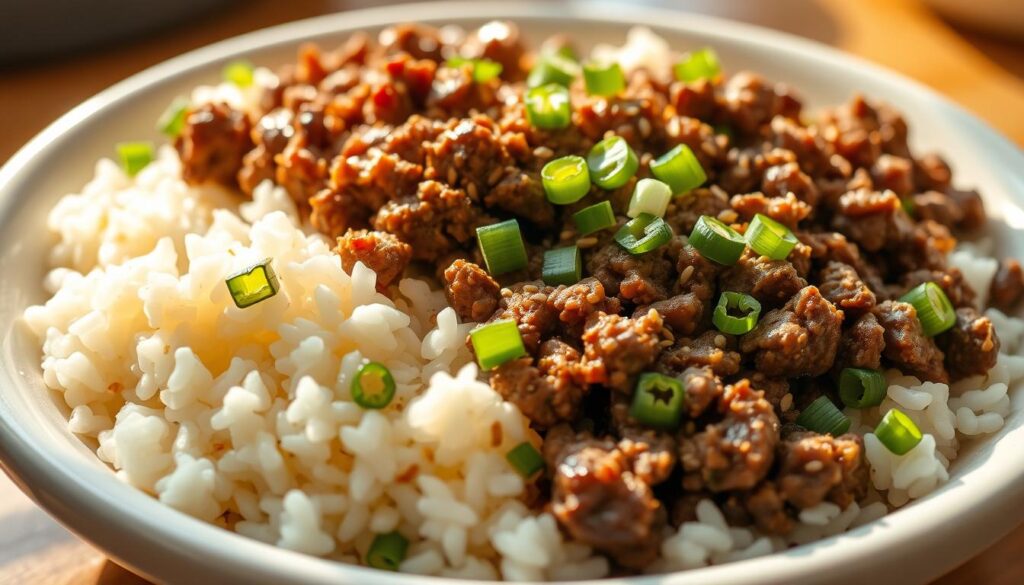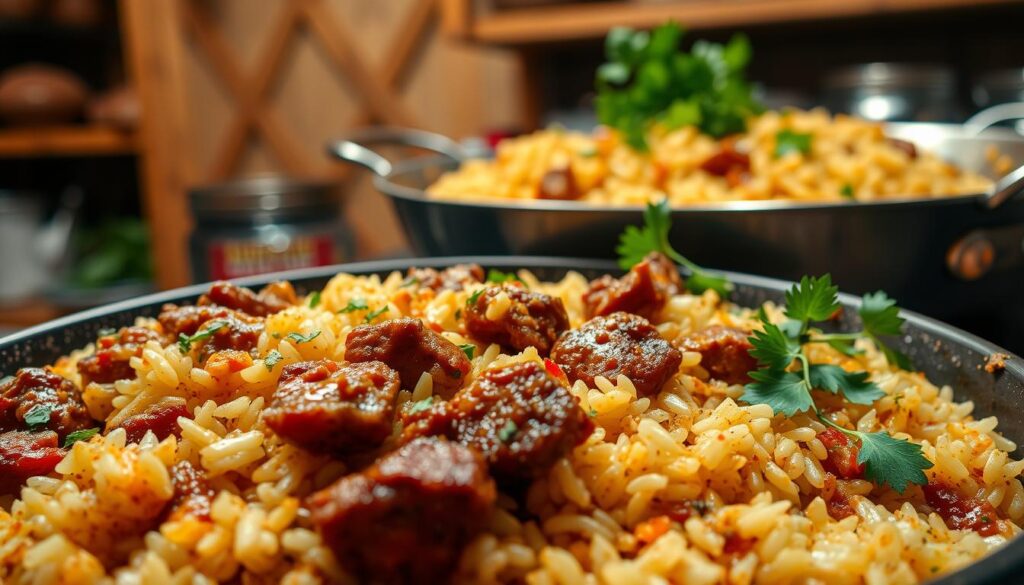
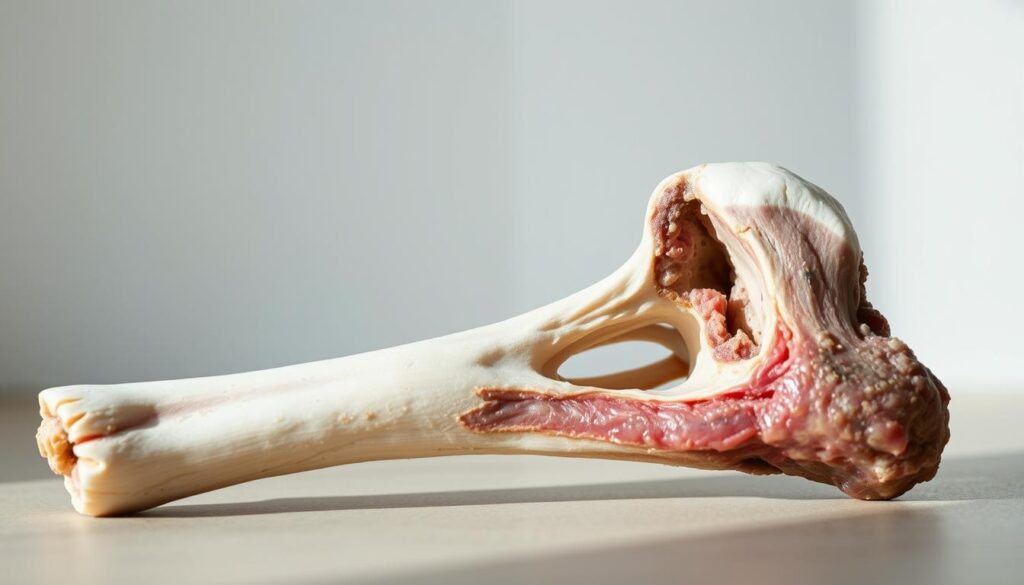
Ever stood in the meat section, wondering about ? They’re not just forgotten cuts. They’re a key to amazing cooking experiences that can turn your kitchen into a flavor lab.
Beef shank bones are a hidden gem in American cooking. They make rich broths and tender meat dishes. These bones add a lot of flavor and nutrition, making your cooking stand out.
You’ll learn about selecting, preparing, and cooking them. Whether you’re a home cook or a food lover, you’re in the right spot.
Table of Contents
Key Takeaways
- are packed with rich, deep flavor
- They offer exceptional nutritional benefits
- Multiple cooking techniques can transform these bones
- Versatile ingredient for soups, stews, and broths
- A budget-friendly source of protein with a bold, rich flavor.
What are Beef Shank Bones?
These cuts add real depth and richness to your cooking. They’re not just ingredients — they’re a window into understanding the anatomy of meat and the art of cooking.
just above the knee. This spot makes it special because the muscles here work hard. This creates a cut full of dense muscle fibers and lots of connective tissue.
Definition and Description
you’ll find two main types:
- Bone-in: Includes the marrow-rich bone, which adds incredible flavor
- Boneless: Muscle meat without the bone
Culinary Uses
Chefs use them to make:
- Hearty stews
- Rich bone broths
- Classic Italian osso buco
- Tender pot roasts
Nutritional Benefits
The beef shank bone nutrition profile is impressive, offering:
| Nutrient | Benefit |
|---|---|
| Protein | Muscle building and repair |
| Collagen | Joint and skin health |
| Minerals | Iron and zinc support |
These bones are not just delicious – they’re a nutritional powerhouse. They can elevate your cooking and support your health.
Different Types of Beef Shank Bones
Exploring the variety of grass-fed cuts can completely change the way you cook. Each one has its own unique flavor, texture, and cooking style.
Cross-Cut vs. Whole Shank
There are two main types
- Cross-Cut Shank: Circular slices with a marrow bone in the middle, great for dishes like osso buco
- Whole Shank: The whole lower leg, perfect for slow cooking and dramatic dishes
Bone Marrow Varieties
Some parts have richer, buttery marrow that makes your dishes more flavorful.
| Shank Type | Marrow Characteristics | Culinary Use |
|---|---|---|
| Shin Shank | Moderate marrow content | Braising, stews |
| Hock Shank | Less marrow, more compact | Soups, stock making |
Grass-Fed vs. Grain-Fed Options
These bones come from cows that eat grass, giving them a cleaner taste and more nutrients.
- Higher omega-3 fatty acid content
- Increased conjugated linoleic acid (CLA)
- More sustainable farming practices
Knowing these differences helps you pick the best grass-fed beef shank bone for your next dish.
How to Choose Quality Beef Shank Bones
Finding the right beef shank bones can make your cooking stand out. Whether you cook at home or in a restaurant, knowing how to pick the best bones is key. It’s about finding and buying them online with care.
consider a few important factors. These will affect the bones’ quality and taste.
Tips for Selecting Fresh Bones
- Look for deep red coloration without brown or gray discoloration
- Check for minimal liquid in packaging
- Seek bones with visible marbling and consistent texture
- Request custom cuts from local butchers for best results
Significance of Color and Smell
Fresh should be a vibrant, rich red. Avoid bones with dull or grayish appearances. The smell is also important – a clean, fresh scent means quality meat. Any sour or off-putting odors mean the bone is old.
Understanding Labels and Certifications
When buying beef shank bones online, check the labels:
- Grass-fed certification
- Organic standards
- Antibiotic-free guarantees
- Pasture-raised indicators
“Quality meat starts with understanding what the labels truly mean” – Culinary Experts
Online meat shops often offer premium grass-fed options and deliver nationwide, giving you more variety than local stores. Make sure to choose trusted sources for the best quality cuts for both cooking and nutrition.
Preparation Methods for Beef Shank Bones
- needs careful prep to bring out its rich flavors and tender texture. Knowing the right techniques can turn tough cuts into dishes that wow food lovers.
Cleaning and Trimming the Bones
Follow these steps:
- Rinse bones under cold water
- Pat completely dry with paper towels
- Remove excess silver skin
- Trim visible connective tissue
Pro tip: Ask your butcher to pre-trim the beef shank bones for optimal results.
Roasting for Flavor Enhancement
Use these techniques:
- Heat olive oil in a heavy Dutch oven
- Season bones generously with salt and pepper
- Sear at medium-high heat until deeply browned
- Rotate to ensure even caramelization
The Art of Braising
Braising makes cooking beef shank bone a culinary masterpiece. This slow-cooking method breaks down tough connective tissues, making the meat tender.
The secret to perfect braising is patience and low, steady heat.
Your braising technique should include:
- Sear the meat first
- Add aromatic vegetables
- Deglaze with wine
- Pour in rich stock
- Cook slowly until meat falls apart
Mastering these preparation methods will take your cooking beef shank bone to the next level. You’ll create dishes that are both delicious and memorable.
Recipes Featuring Beef Shank Bones
Beef shank bones are a culinary treasure. They can turn ordinary meals into extraordinary ones. These cuts offer rich flavors and depth to various recipes, loved by both home cooks and chefs.
Exploring beef shank bone recipes opens up a world of delicious possibilities. From hearty soups to robust stews, these bones add exceptional taste and nutrition to your kitchen creations.
Classic Beef Shank Soup
A beef shank bone recipe for soup brings warmth and comfort. The key is slow cooking. This allows the bones to release their deep, meaty flavors.
- Select cross-cut beef shanks for maximum flavor
- Brown the meat before adding liquid
- Simmer with aromatic vegetables
- Cook until meat falls off the bone
Hearty Stews
Beef shank bones elevate stews from simple dishes to gourmet experiences. The marrow within the bones creates a rich, velvety texture. This makes every bite memorable.
| Stew Type | Cooking Method | Flavor Profile |
|---|---|---|
| Red Wine Braised Shank | Slow Cooker | Deep, Complex |
| Tomato-Based Beef Stew | Dutch Oven | Bright, Robust |
| Root Vegetable Beef Stew | Pressure Cooker | Earthy, Hearty |
Bone Broth Recipes
Creating a nutrient-dense bone broth requires patience and technique. Your beef shank bone recipe for broth will yield a gelatinous, flavor-packed liquid. It’s packed with minerals and collagen.
- Roast bones before simmering
- Add apple cider vinegar to extract minerals
- Simmer for 12-24 hours
- Strain and store properly
Each beef shank bone recipe offers a unique opportunity to explore culinary creativity. You can enjoy incredibly nutritious meals while doing so.
Cooking Times and Techniques
Learning to cook this flavorful cut of beef is all about mastering the right techniques. These methods turn preparation needs patience and the right approach to break down connective tissues and develop rich flavors.
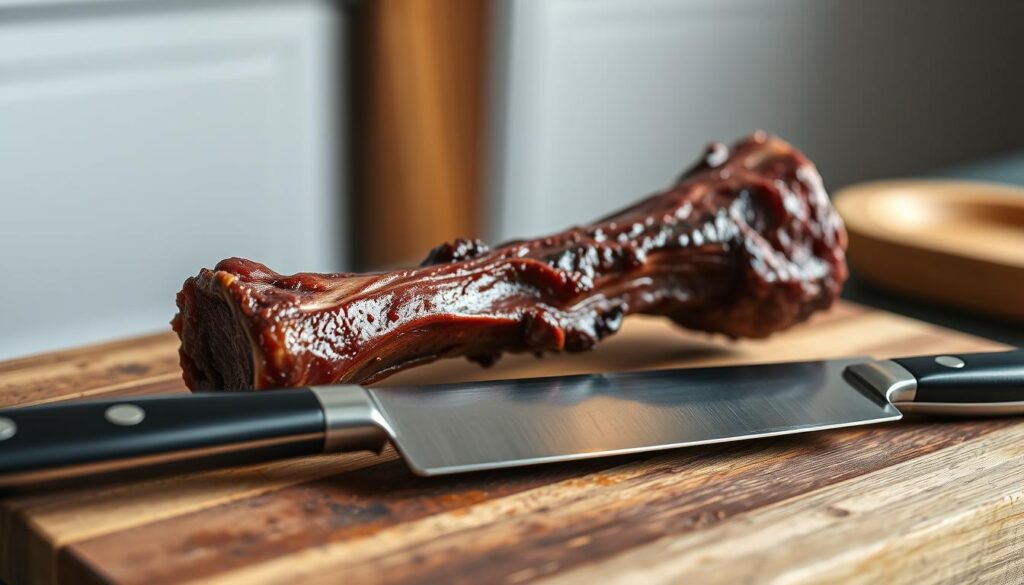
The secret to cooking beef shank bone well is choosing the right method. Each technique has its own benefits for creating delicious results.
Slow Cooker Guidelines
The slow cooker method makes the beef shank bone tender with little effort. Here’s how to get perfect results:
- Sear the beef shank bones on the stovetop first to develop deep flavor
- Transfer to slow cooker with aromatic vegetables and liquid
- Cook on LOW setting for 8-10 hours
- Check meat for fall-apart tenderness
Instant Pot Instructions
If you’re short on time, an Instant Pot can cook the beef shank bone quickly:
- Use sauté function to brown meat thoroughly
- Add stock, herbs, and a splash of wine
- Pressure cook for 60-90 minutes
- Allow natural pressure release for maximum tenderness
Traditional Oven Methods
Oven braising is a classic way to make beef shank bones tender. Preheat your oven to 325°F for a slow-cooking adventure that will fill your kitchen with irresistible aromas.
Pro tip: Low and slow is the golden rule for cooking beef shank bones to perfection!
Each cooking method has its own way of preparing this flavorful cut. Whether you pick a slow cooker, Instant Pot, or traditional oven, the goal is the same. You want to create a tender, succulent dish that will impress everyone.
Health Benefits of Beef Shank Bones
Beef shank bones are full of nutrients, making them a great choice for a healthy diet. They are packed with essential nutrients, which is why they’re so good for you.
Rich Source of Protein
Beef shank bones are high in protein, which is great for your muscles and body. They offer:
- Complete protein with all essential amino acids
- Easily digestible protein due to slow cooking methods
- Lean protein source with minimal visible fat
Collagen and Joint Health
Beef shank bones are great for your joints. When cooked, they turn into gelatin, which is good for you. They help with:
- Supporting cartilage repair
- Reducing inflammation
- Enhancing gut health
- Potentially improving skin elasticity
Nutrient Density
Beef shank bones are not just about protein. They also have lots of minerals and vitamins, like:
- Iron: Especially heme iron, which is easily absorbed
- Zinc for immune system support
- B vitamins, especially B12
- Minerals like calcium, magnesium, and phosphorus
Grass-fed beef shank bones have even more benefits. They have more omega-3 fatty acids and CLA, making them a top choice for nutrition.
Storing Beef Shank Bones
Storing beef shank bones right is key for keeping them tasty and safe. Knowing the best ways to store them helps you enjoy their rich flavors and nutrients.
Proper Refrigeration Techniques
Here’s how to store raw beef shank bones in the fridge:
- Place bones in the coldest part of the fridge (bottom shelf)
- Use airtight containers or sealed plastic bags
- Use them within 2-3 days after buying
- Keep them separate from other foods to avoid contamination
Freezing for Long-Term Storage
Freezing makes your beef shank bones last longer. For the best results:
- Wrap bones in freezer paper or vacuum-sealed bags
- Mark the packages with the date and what’s inside
- Keep your freezer at 0°F or lower
- Freeze beef shank bones for 4-6 months
Best Practices for Thawing
Thawing your beef shank bones safely is important. The best way is slow thawing in the fridge:
- Put frozen bones in the fridge
- Let them thaw for 24-48 hours
- Avoid thawing at room temperature
- Use them right after thawing for the best taste
Pro tip: Cooked beef shank bone dishes often taste even better the next day after chilling and removing any hardened fat from the surface.
Pairing Ingredients with Beef Shank Bones
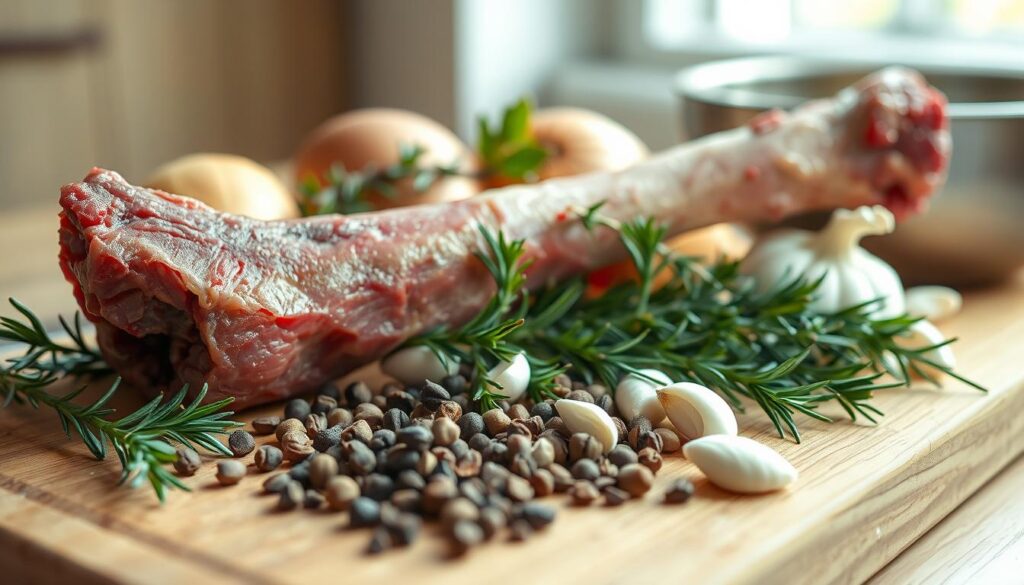
Creating a memorable beef shank bone recipe is more than just picking good meat. The right mix of ingredients turns this tough cut into a masterpiece. Knowing how to match flavors will make your dish stand out and wow your guests.
Optimal Vegetables and Herbs
When cooking your beef shank bone recipe, choose vegetables that can cook for a long time. Root vegetables add a deep flavor to your dish:
- Carrots
- Parsnips
- Turnips
- Potatoes
For herbs, pick ones that bring out earthy flavors. Woody herbs like rosemary, thyme, and bay leaf add complex tastes that go well with the beef shank.
Complementary Spices
Spices are key in making your beef shank bone recipe better. Choose seasonings that add warmth and depth without overpowering the meat’s taste:
- Black pepper
- Garlic powder
- Paprika
- Tomato paste
Recommended Sides and Accompaniments
The right side dish can turn your beef shank into a full meal. Think about these sides that soak up the flavorful sauce well:
- Creamy polenta
- Buttery mashed potatoes
- Risotto
- Crusty bread
- Simple green salad
By picking ingredients that match your beef shank bone recipe, you’ll make a meal that’s unforgettable. It will show off the meat’s rich, tender taste.
Common Mistakes to Avoid
Cooking beef shank bone can be tricky, even for experienced home chefs. Knowing the common mistakes helps you make tender, flavorful dishes. Let’s look at the mistakes that can ruin your meal.
Overcooking and Undercooking Challenges
Cooking beef shank bones needs precision. If you undercook it, the meat will be tough. Overcooking makes it dry and stringy. Aim for an internal temperature of 200-203°F (93-95°C).
- Use a meat thermometer for accuracy
- Check for probe tenderness – meat should offer no resistance
- Keep meat moist by adding braising liquid if needed
Seasoning Strategies for Maximum Flavor
Beef shank bones need lots of seasoning. Many home cooks don’t season enough. Use a layered approach to enhance flavors.
- Season before searing
- Add herbs and spices to braising liquid
- Taste and adjust seasoning near the end of cooking
Bone Quality Matters
The quality of your beef shank bones affects the dish. Choose fresh, high-quality bones for better taste and texture. Look for bones with good marbling and a fresh appearance.
Pro tip: Always choose beef shank bones from trusted butchers or specialty meat markets to ensure the best cooking results.
Avoiding these mistakes turns cooking beef shank bone into a success. Practice, patience, and detail are key to making memorable meals.
Frequently Asked Questions About Beef Shank Bones
Exploring beef shank bones can be a bit confusing. Whether you’re looking to buy them online or want to know their uses in cooking, this guide has the answers you need.
Beef shank bones are great for adding flavor to your dishes. Here, we’ll cover the top questions home cooks have about these tasty cuts.
Is Bone Broth Good for You?
Yes, it is! Bone broth from beef shank bones is full of nutrients. It has minerals, collagen, and amino acids that help with:
- Joint health
- Gut wellness
- Immune system support
Can You Eat the Bone Marrow?
Yes, you can and it’s a treat! When you buy beef shank bones online, the marrow inside is a special treat. Roast the bones and scoop out the marrow for a rich spread or sauce.
How Can You Use Leftover Bones?
Don’t throw away those bones after cooking! You can:
- Simmer them for a lighter stock
- Extract remaining meat for other meals
- Use them as a base for soups and stews
| Cooking Method | Best Liquid | Flavor Profile |
|---|---|---|
| Braising | Red Wine | Rich, Deep |
| Slow Cooking | Beef Broth | Robust |
| Quick Marinade | White Wine | Light, Bright |
Pro tip: Beef shank is best cooked slowly with moist methods. Quick grilling won’t bring out their full flavor!
Conclusion: Embracing Beef Shank Bones in Your Cooking
Exploring beef shank bones is more than cooking a meal. It opens a world of nutritious and versatile cooking. These techniques turn simple ingredients into amazing dishes.
Grass-fed beef shank bones offer great benefits. They are rich in flavor and nutrients. Slow cooking these bones connects you to old cooking ways.
It takes patience to cook these bones, but it’s worth it. You get tender, satisfying meals that are good for you. They nourish your body and soul.
Trying new things is important when cooking with beef shank bones. You can braise with herbs, make stews, or bone broths. Each method helps you grow as a cook.
Don’t be shy to try different flavors and cooking ways. It’s all about finding what you like. This way, you can cook with confidence and share your food with others.
Now you know how to choose, prepare, and enjoy beef shank bones. Look for quality sources and slow cook them. Share your tasty dishes with loved ones. Cooking with beef shank bones is a journey of learning and fun.